Choosing between glass vs plastic baby bottles is less about finding one material that is always better and more about deciding which trade-offs fit your feeding routine. Glass performs well with repeated heating and sterilization and is less prone to odors, staining and surface wear. Plastic, on the other hand, is lighter, more resistant to drops and easier to carry for travel or daycare.
Other baby bottle materials, such as silicone and stainless steel, are also available, but glass and plastic remain two of the most common options parents compare. Below, we compare the five differences that matter most before choosing between them.
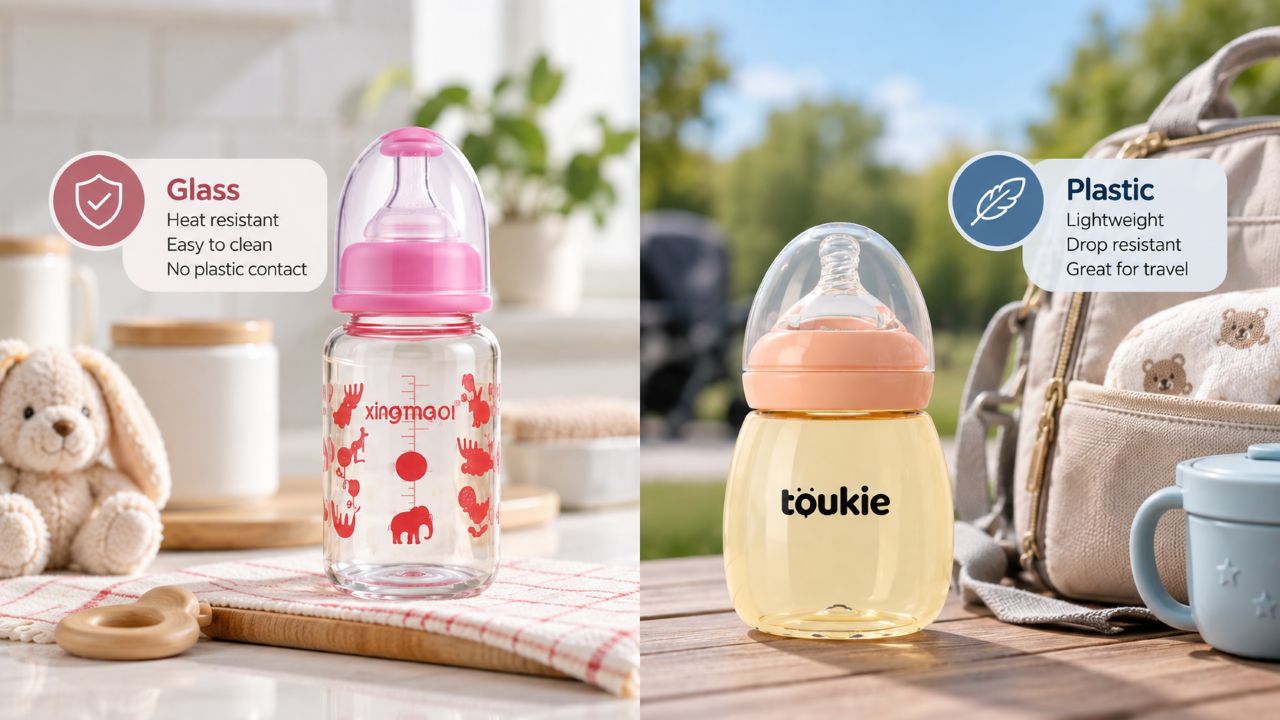
Glass vs Plastic Baby Bottles: 5 Differences That Matter
Here is the quick comparison:
| Factor | Glass Baby Bottles | Plastic Baby Bottles |
|---|---|---|
| Heat resistance | Excellent | Depends on the plastic |
| Weight | Heavier | Lightweight |
| Drop resistance | Can break | Better |
| Scratching | Less likely | Can scratch over time |
| Best for | Home use, frequent heating | Travel, daycare, everyday portability |
1. Are Glass Baby Bottles Safer Than Plastic?
For parents concerned about bottle materials, glass has a clear advantage in material stability. It is non-plastic, does not scratch as easily, and tolerates repeated heating and sterilization without the same concerns about plastic additives or material wear.
This is especially relevant when bottles are exposed to heat frequently. The American Academy of Pediatrics notes that heat can increase the leaching of BPA and phthalates from some plastic materials and recommends avoiding microwaving food or drinks in plastic when possible.
Plastic bottles, however, are not all the same. Modern bottles may be made from materials such as PP or PPSU, and a properly manufactured bottle made from an appropriate food-contact material can still be a practical choice when used according to the manufacturer's instructions.
Parents searching for non toxic baby bottles should look beyond a single material label and consider food-contact compliance, heat resistance and the manufacturer's care instructions.
2. Heat Resistance
When comparing temperature-safe materials for baby bottles, especially for warming milk or frequent sterilization, glass generally offers excellent heat stability, while plastic performance depends on the specific polymer.
If you sterilize bottles frequently, glass or a heat-resistant plastic such as PPSU may be more suitable than choosing a bottle simply because it says "plastic." Always follow the temperature and sterilization instructions supplied with the bottle.
3. Weight and Breakage
This is where plastic has a clear everyday advantage.
Plastic bottles are:
- lighter in a diaper bag;
- easier for babies to hold;
- resistant to shattering when dropped;
- convenient for travel and daycare.
The main disadvantages of glass baby bottles are their weight and breakage risk.
Modern glass bottles can be quite durable, and silicone sleeves can improve grip and provide some impact protection. However, glass can still crack or break when dropped onto a hard surface.
For this reason, some families use glass at home and lightweight bottles when going out.
4. Cleaning and Long-Term Wear
Glass is popular because its smooth surface is easy to inspect and does not readily retain smells or become cloudy.
Plastic bottles can develop scratches or cloudiness after extended use.
Whichever material you choose:
- clean bottles after every feeding;
- inspect plastic for scratches or cracks;
- inspect glass for chips or fractures;
- replace damaged bottles;
- follow the manufacturer's dishwasher and sterilization instructions.
5. Cost and Everyday Convenience
Glass bottles often cost more and are heavier, but they can maintain their appearance for a long time when handled carefully.
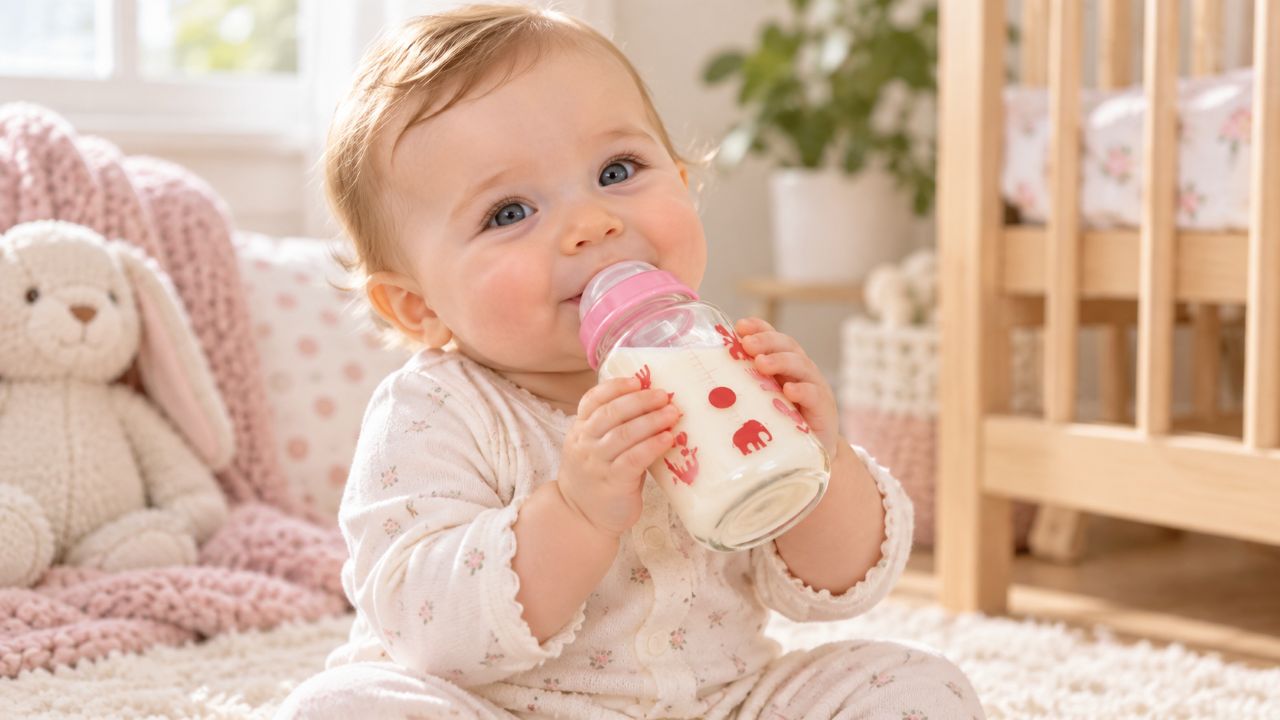
PP plastic bottles are generally lighter and more affordable, which can make it easier to keep several bottles in rotation at home, daycare or in a diaper bag—especially when deciding how many baby bottles you need.
PPSU sits somewhere between the two from a buying perspective: it offers the lightweight, shatter-resistant advantages of plastic while providing better resistance to repeated heat than standard PP.
So there is no single best material for baby bottles:
- Choose glass for: frequent heating, easy cleaning and minimal plastic contact.
- Choose PP for: lightweight, convenient and economical everyday feeding.
- Choose PPSU for: lightweight convenience combined with higher heat resistance.
Glass vs Plastic Baby Bottles: Which Should You Choose?
For most families, material is only one part of choosing the right baby bottle. How and where you feed usually matters more than choosing glass or plastic based on material alone.
Glass may be better if you
- mostly feed at home;
- sterilize or warm bottles frequently;
- want to reduce direct food contact with plastic;
- do not mind the extra weight.
Plastic may be better if you
- travel frequently;
- need bottles for daycare;
- want something lightweight;
- are worried about bottles being dropped.
You also do not have to choose just one. A mixed bottle setup can be practical—for example, glass for regular feeding at home and lightweight plastic bottles for travel.
Choosing Baby Bottle Materials for a Product Line
For brands developing a baby bottle range, offering more than one material can make it easier to serve different feeding preferences and price points.
Oyababies provides baby feeding bottles in PP, glass and PPSU, across different shapes, capacities and feeding designs, including options developed for anti-colic feeding. This gives buyers more flexibility when building a coordinated product line instead of relying on a single bottle material or format.
In addition to existing bottle designs, Oya supports OEM and ODM services, including custom colors, logos, packaging and product development for brands and distributors.
Explore Oya Baby Feeding Bottles →
FAQ
Are plastic or glass bottles better for babies?
Both can work well. Glass is better for heat stability and avoiding direct plastic contact, while plastic is lighter, harder to break and easier for travel. The better option depends on how the bottle will be used.
What are the disadvantages of glass baby bottles?
Glass baby bottles are heavier than plastic and can break if dropped. They may also be less convenient for travel or for babies beginning to hold their own bottles.
What are the safest bottles for babies?
Look for baby bottles made from appropriate food-contact materials and designed for the intended heating, cleaning and sterilization methods. Glass offers excellent material stability, while compliant PP and PPSU bottles are also widely used.
Should babies drink out of glass bottles?
Yes. Glass bottles designed for infant feeding can be used safely when they are in good condition. Check regularly for cracks or chips and consider using a protective silicone sleeve.
What is PPSU material for baby bottles?
PPSU stands for polyphenylsulfone. It is a high-performance plastic known for its heat resistance, impact strength and durability during repeated hot-water or steam exposure.For parents comparing a PP vs PPSU bottle, PP is typically lighter on cost, while PPSU is chosen for higher heat resistance and repeated sterilization.